



What Does “Smart World” Really Mean?
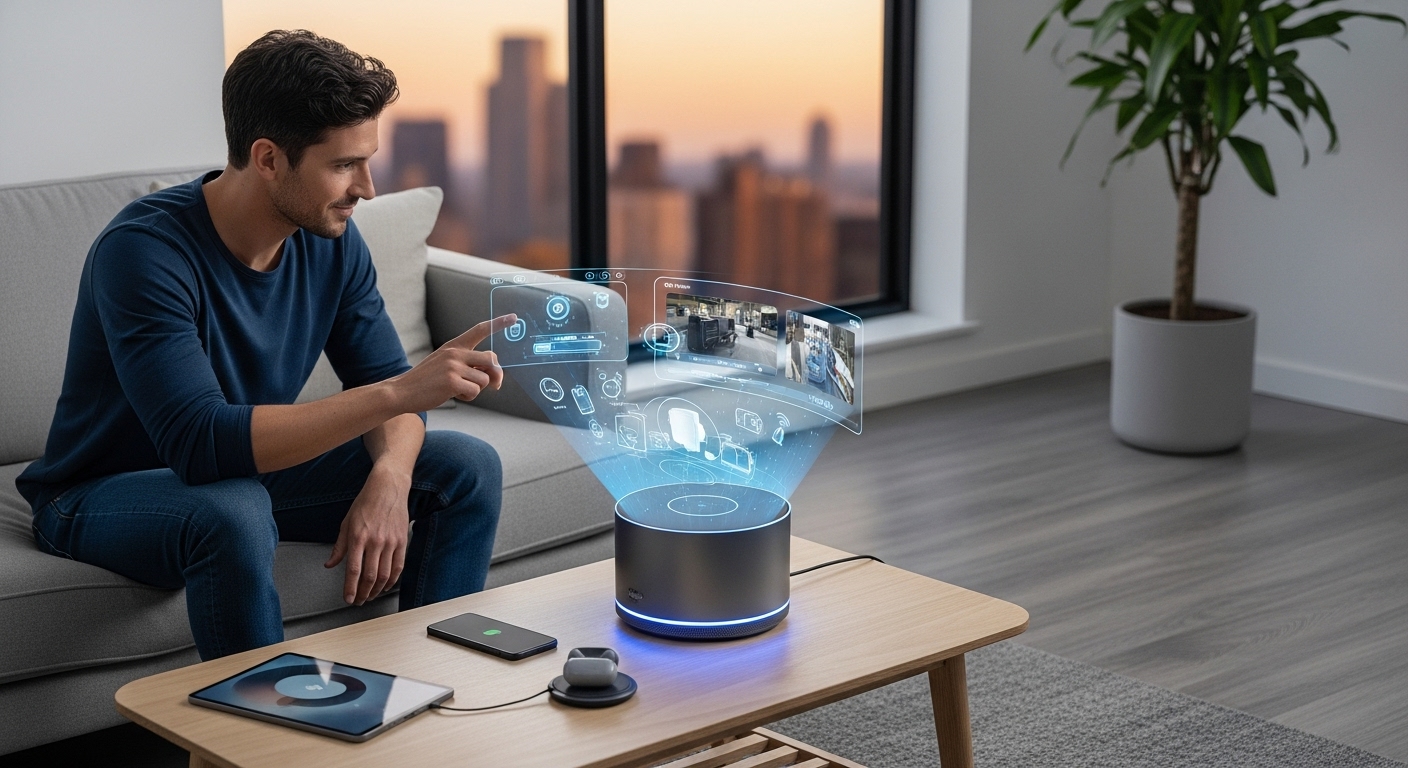
The term smart world sounds futuristic, almost like something pulled straight out of a sci-fi movie. But here’s the twist—it’s already here. A smart world is one where technology doesn’t just exist; it interacts, learns, and responds. Devices talk to each other. Systems make decisions. And humans? We sit right at the center of it all, benefiting from speed, convenience, and efficiency.
Think of the smart world as an invisible assistant—always working in the background, anticipating your needs before you even voice them.
How Technology Quietly Took Over Our Lives
We didn’t wake up one day and realize technology had taken over. It crept in quietly. First, it was emails replacing letters. Then smartphones replaced calendars, cameras, and even wallets. Today, technology manages our homes, tracks our health, and connects us to people across the globe in seconds.
Evolution of Technology
From Industrial Age to Digital Age
The journey to the smart world didn’t happen overnight. The industrial age introduced machines. The digital age introduced computers. Now, we’re living in the intelligent age, where machines don’t just work—they think.
Key Milestones That Changed Everything
Electricity, the internet, mobile phones, cloud computing—each milestone acted like a stepping stone leading us to today’s hyper-connected reality.
The Rise of the Internet and Mobile Devices
The internet is the backbone of the smart world. Mobile devices turned it into something portable, personal, and powerful. Suddenly, the world fit into our pockets.
Smart Devices and Everyday Life
Smartphones as the Remote Control of Life
Your smartphone is no longer just a phone. It’s your alarm clock, GPS, entertainment hub, and personal assistant. Lose it, and life feels paused.
Wearables and Health Monitoring
Smartwatches and fitness trackers monitor heart rates, sleep cycles, and physical activity. It’s like having a doctor on your wrist—minus the waiting room.
Smart Homes and Home Automation
Lights that turn off automatically, thermostats that learn your preferences, and fridges that remind you to buy milk—smart homes feel like living inside a well-trained butler.
Artificial Intelligence in the Smart World
Understanding Artificial Intelligence
AI is the brain behind the smart world. It analyzes data, learns patterns, and makes predictions. In simple terms, it’s what allows machines to act “smart.”
AI in Daily Applications
Voice assistants, recommendation systems, chatbots—AI works behind the scenes, making life smoother and more personalized.
Benefits and Risks of AI Integration
AI boosts productivity but raises questions about job displacement and ethics. Like fire, it’s powerful—useful when controlled, dangerous when ignored.
Internet of Things (IoT)
What is IoT?
IoT refers to everyday objects connected to the internet. From smart bulbs to industrial sensors, everything communicates.
Connected Devices Everywhere
Your watch talks to your phone. Your car talks to traffic systems. It’s a digital conversation happening nonstop.
IoT in Homes, Cities, and Industries
IoT improves efficiency, reduces waste, and enhances comfort—turning ordinary spaces into intelligent ecosystems.
Smart Cities and Urban Living
Concept of Smart Cities
Smart cities use technology to manage resources better—traffic, energy, water, and safety.
Transportation, Energy, and Waste Management
Smart traffic lights reduce congestion. Smart grids save energy. Smart waste systems keep cities cleaner.
Improving Quality of Urban Life
The goal isn’t flashy tech—it’s better living. Less stress. More time. Cleaner environments.
Technology in Education
Digital Classrooms
Chalkboards are out. Interactive screens are in. Education is now dynamic and global.
Online Learning and Virtual Reality
Students can attend classes from anywhere. VR turns lessons into experiences rather than lectures.
How Technology is Shaping Future Learning
Learning is personalized, flexible, and lifelong—no longer confined to classrooms.
Healthcare in the Smart World
Telemedicine and Remote Care
Doctor visits without leaving home? That’s smart healthcare in action.
Smart Medical Devices
Devices monitor patients in real time, allowing early intervention and better outcomes.
Data-Driven Healthcare Decisions
Data saves lives. Patterns reveal risks. Technology turns information into action.
Business and the Smart Economy
Automation and Productivity
Machines handle repetitive tasks, freeing humans for creativity and strategy.
Remote Work and Digital Collaboration
Work is no longer a place—it’s an activity. Teams collaborate across continents.
E-commerce and Digital Payments
Cashless, contactless, convenient—the smart economy moves at digital speed.
Social Life in the Age of Technology
Social Media and Human Connection
We’re more connected than ever, yet sometimes feel more distant.
The Good, the Bad, and the Addictive
Technology connects—but moderation matters.
Redefining Relationships
Friendships now exist both online and offline, blending realities.
Security and Privacy Concerns
Data Privacy in a Connected World
Data is valuable—and vulnerable.
Cybersecurity Challenges
Hackers evolve as fast as technology. Security must keep up.
How to Stay Safe Digitally
Strong passwords, awareness, and smart habits go a long way.
Environmental Impact of Smart Technology
Green Technology and Sustainability
Smart tech can reduce waste and conserve energy.
Energy Efficiency Through Smart Systems
Efficiency isn’t just smart—it’s essential.
Can Technology Save the Planet?
If used responsibly, yes. Technology can be a powerful ally.
Ethical Challenges of a Smart World
Digital Divide
Not everyone has equal access—and that matters.
Bias in Algorithms
Technology reflects its creators. Ethics must guide innovation.
Responsible Use of Technology
Smart doesn’t mean reckless. Responsibility is key.
Future of the Smart World
Emerging Technologies
Quantum computing, advanced AI, immersive realities—the future is unfolding fast.
Predictions for the Next Decade
Smarter systems, deeper integration, greater responsibility.
Preparing for a Smarter Tomorrow
Adaptability will be the most valuable skill of all.
Conclusion
The smart world isn’t about machines replacing humans—it’s about empowering them. Technology, when used wisely, enhances life, connects societies, and opens doors to possibilities we once only imagined. The future is smart, and we’re already living in it.
FAQs
1. What is meant by a smart world?
A smart world uses connected technologies to improve efficiency, convenience, and quality of life.
2. Is artificial intelligence dangerous?
AI is safe when developed and used responsibly with ethical guidelines.
3. How does technology affect daily life?
It simplifies tasks, improves communication, and enhances productivity.
4. Are smart devices secure?
They can be, if users follow good cybersecurity practices.
5. Will technology replace human jobs?
Some roles may change, but new opportunities will emerge.

Sam Finley
You Can grow your website seo .And ranking website feel free contact : Ethinemily@gmail.com
Leave a Reply
You must be logged in to post a comment.