



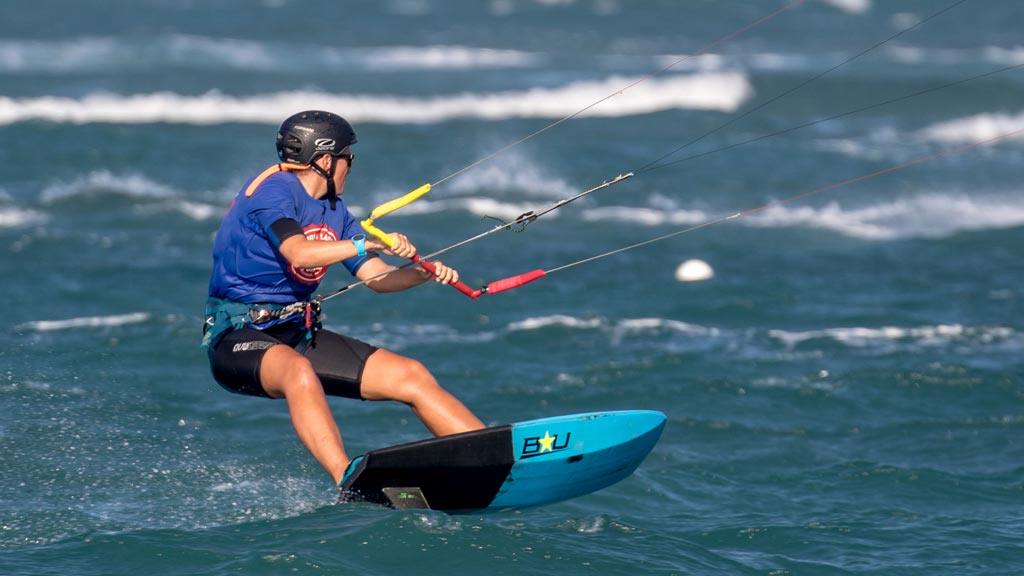
Foil kitesurfing feels a bit like magic. One moment you’re skimming along the surface, and the next—you’re floating above the water, almost silently. No spray, no chop, just pure glide. Sounds unreal, right? That’s exactly why foil kitesurfing has exploded in popularity over the past few years.
Table of Contents
ToggleWhat Is Foil Kitesurfing?
Foil kitesurfing is a variation of kitesurfing that uses a hydrofoil mounted under the board. As speed increases, the foil generates lift, raising the board above the water’s surface. The result? Less drag, more efficiency, and an incredibly smooth ride.
Why Foil Kitesurfing Is Gaining Popularity
Imagine riding when everyone else is standing on the beach waiting for wind. Foil kitesurfing opens the door to ultra-light wind sessions, longer rides, and a whole new feeling of freedom. For many riders, once they try it, there’s no going back.
Understanding the Foil System
Before diving deeper, it helps to understand what’s happening beneath your feet.
What Is a Hydrofoil?
A hydrofoil is a wing-shaped structure mounted below the board. When water flows over it, lift is created—similar to how airplane wings work in the air.
Mast, Fuselage, and Wings Explained
-
Mast: The vertical pole connecting the board to the foil
-
Fuselage: The horizontal connector between wings
-
Front and Rear Wings: Responsible for lift and stability
Each component plays a role in how the foil feels on the water.
How Foils Create Lift
As speed increases, water pressure under the wing lifts the board upward. Once flying, friction drops dramatically, allowing smooth gliding even in minimal wind.
Foil Kites vs. Traditional Kites
Key Differences
Foil kites are ram-air kites without inflatable bladders. They rely on internal cells to maintain shape, making them lighter and more efficient in low wind.
Advantages of Foil Kites
-
Exceptional light-wind performance
-
Greater efficiency and hang time
-
Compact and travel-friendly
Potential Limitations to Consider
They can feel more technical and require careful handling, especially in variable conditions. That said, many riders feel the benefits far outweigh the learning curve.
Types of Foil Kites
Closed-Cell Foil Kites
Designed primarily for water use, these kites have valves that trap air, helping them stay afloat.
Open-Cell Foil Kites
More common for land and snow use, these are lighter but not ideal for water relaunch.
Single-Skin Foil Kites
Minimalist and ultra-light, single-skin kites shine in very light wind and niche conditions.
Who Is Foil Kitesurfing For?
Beginners vs. Experienced Riders
While complete beginners often start with traditional setups, many progressing riders transition to foiling once they’re comfortable controlling a kite and board.
Ideal Conditions and Locations
Foil kitesurfing thrives in flat water and steady wind, but experienced riders enjoy it in a wide range of environments.
Performance Benefits of Foil Kitesurfing
Light Wind Performance
This is the headline feature. Foil riders often ride in wind so light it barely ripples the water.
Efficiency and Speed
With minimal drag, every gust counts. Foiling feels like cruising on an electric rail—smooth and efficient.
Smooth and Silent Ride
No slapping waves, no bouncing. Just quiet gliding that feels almost meditative.
Foil Kitesurfing Gear Overview
Boards Designed for Foiling
Foil boards are typically smaller, with reinforced mounting points to handle the forces involved.
Harnesses and Control Systems
Comfort and control matter. Riders often prefer setups that allow precise input without fatigue.
Safety Equipment Essentials
Helmets, impact vests, and leashes are commonly used to reduce risk and boost confidence on the water.
Learning Curve and Skill Progression
What Makes Foil Kitesurfing Challenging
Balancing lift, speed, and control can feel tricky at first—like learning to ride a bike all over again.
How Riders Typically Progress
Most riders start with short flights, gradually building control and confidence until foiling feels natural.
Common Mistakes and How to Avoid Them
Overconfidence in Early Stages
Foiling rewards patience. Taking it slow helps prevent hard crashes and frustration.
Ignoring Wind and Water Conditions
Conditions matter more when foiling. Awareness and preparation make every session better.
Maintenance and Care of Foil Kites
Proper Storage
Dry your kite completely and store it away from heat and sharp objects.
Cleaning and Inspection Tips
Regular checks help spot wear early and keep gear performing at its best.
Environmental and Lifestyle Appeal
Low-Wind, Low-Impact Riding
Foil kitesurfing uses less wind and creates minimal disturbance—great for riders who value sustainability.
Why Foil Riders Love the Freedom
There’s something addictive about flying above the water while others watch from shore. It feels like unlocking a secret level.
The Future of Foil Kitesurfing
Innovations in Foil Design
Lighter materials, modular systems, and refined shapes are pushing performance even further.
Growing Global Community
From lakes to oceans, more riders are joining the foil movement every year.
Conclusion
Foil kitesurfing isn’t just a trend—it’s a revolution in how people experience wind and water. With unmatched efficiency, smooth rides, and the ability to ride when others can’t, it offers a unique blend of performance and freedom. Whether you’re chasing light wind sessions or looking for a new challenge, foil kitesurfing opens an entirely new dimension of riding.
FAQs
1. Is foil kitesurfing suitable for light wind conditions?
Yes, it’s one of the best options available for riding in very light wind.
2. Are foil kites difficult to use?
They have a learning curve, but many riders adapt quickly with practice.
3. Can foil kitesurfing be done on lakes?
Absolutely. Flat water lakes are popular spots for foiling.
4. How is foil kitesurfing different from regular kitesurfing?
The board lifts above the water, reducing drag and increasing efficiency.
5. Is foil kitesurfing growing in popularity?
Yes, thanks to improved gear and its unique riding experience, it’s growing fast worldwide.

Sam Finley
You Can grow your website seo .And ranking website feel free contact : Ethinemily@gmail.com
Leave a Reply
You must be logged in to post a comment.