



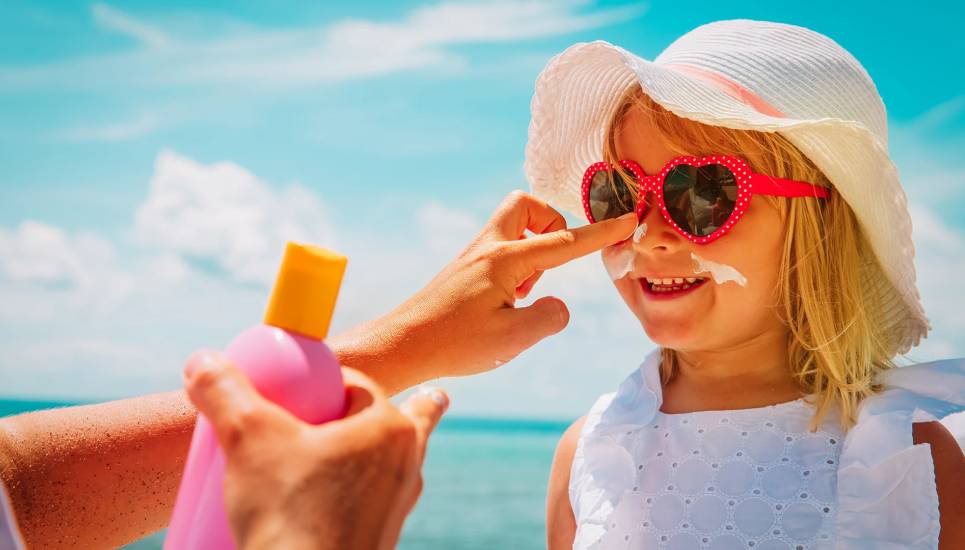
Sunshine is wonderful for outdoor play, sports, and family outings. But while sunlight brings joy and energy, it also carries invisible risks—especially for children. Many parents assume sun protection is only necessary for beach vacations or extremely hot days. In reality, ultraviolet (UV) radiation can harm children’s delicate skin even on cloudy days. Understanding how to protect kids from sun damage is one of the most important health habits families can build early in life.
Children’s skin is thinner and more sensitive than adult skin, which means UV radiation penetrates more easily and can cause damage faster. Studies show that exposure to UV radiation during childhood significantly increases the risk of skin damage and certain types of cancer later in life. Dermatology experts emphasize that damage from UV radiation is cumulative, meaning every sunburn in childhood contributes to long-term risk.
Another surprising fact is that sunburns during early years can affect the body decades later. Pediatric dermatologists explain that early sun exposure can dramatically increase the risk of skin cancer, including melanoma, the most dangerous form of skin cancer. This makes sun protection not just a seasonal concern but a daily health priority.
Parents often focus on sunscreen alone, but effective sun protection involves a complete strategy—clothing, shade, timing, and habits. When these methods work together, they create a protective shield for children’s skin. Think of it like building a castle wall: sunscreen is one brick, clothing is another, and shade is the protective moat.
Teaching sun safety early also builds lifelong habits. Kids who learn to protect their skin naturally continue those habits as teenagers and adults. Just like brushing teeth or wearing a helmet while biking, sun protection becomes second nature when it starts early.
Table of Contents
ToggleUnderstanding the Science of Sunlight
Sunlight may feel warm and comforting, but it carries several types of ultraviolet radiation that can harm skin. To truly understand children’s sun protection, it helps to know exactly what we’re protecting them from.
Difference Between UVA and UVB Rays
The sun emits multiple types of ultraviolet rays, but two are especially important when it comes to skin damage: UVA and UVB rays. Both can harm skin cells, but they affect the body in different ways.
UVA rays penetrate deep into the skin layers and contribute to premature aging, wrinkles, and long-term DNA damage. These rays can also play a role in the development of skin cancer. Unlike UVB rays, UVA rays are present throughout the day and can even penetrate glass windows.
UVB rays, on the other hand, are primarily responsible for sunburn. When children spend too much time outside without protection, UVB rays cause redness, inflammation, and peeling skin. These rays are strongest during midday hours and are particularly intense during summer months.
Because both types of rays cause harm, dermatologists recommend using broad-spectrum sunscreen, which protects against both UVA and UVB radiation. Without this protection, children may still receive damaging radiation even if they avoid visible sunburn.
Why Children Are More Vulnerable to Sun Damage
Children’s bodies are still developing, and their skin structure differs significantly from that of adults. The outer skin barrier is thinner and contains less protective pigment, making it easier for UV rays to penetrate deeply. That’s why children can burn faster than adults under the same sun exposure.
Another reason kids are at higher risk is simply their lifestyle. Children spend a lot of time outdoors—playing sports, swimming, cycling, or running around with friends. These activities often happen during the brightest hours of the day when UV radiation is strongest.
Research also shows that protective habits are inconsistent among children. One study found that while 83.8% of children used at least one sun protection method, sunscreen use was among the least common behaviors. This highlights an important issue: many families rely on clothing or shade but forget sunscreen entirely.
When you combine sensitive skin, active outdoor lifestyles, and inconsistent protection habits, children become particularly vulnerable to sun damage. This is why pediatricians and dermatologists stress prevention during early years.
Sunscreen Basics for Kids
Sunscreen is often the first thing parents think about when protecting children from the sun. However, choosing the right sunscreen—and using it correctly—is more complicated than many people realize.
What SPF Means and Why SPF 30 Is Recommended
SPF stands for Sun Protection Factor, a measure of how well a sunscreen protects skin from UVB rays. The higher the SPF number, the greater the protection against sunburn.
Dermatology organizations recommend that children wear broad-spectrum sunscreen with SPF 30 or higher. This level of protection blocks about 97% of UVB radiation, offering strong defense without unnecessary chemical exposure.
Here’s a quick comparison:
| SPF Level | UVB Protection |
|---|---|
| SPF 15 | About 93% |
| SPF 30 | About 97% |
| SPF 50 | About 98% |
Although higher SPF numbers sound appealing, they don’t dramatically increase protection. Instead, the key factor is proper application and regular reapplication.
Many parents also assume sunscreen is unnecessary on cloudy days. That’s a myth. Up to 80% of UV rays can penetrate clouds, meaning children can still experience sun damage even when the sky looks gray.
Mineral vs Chemical Sunscreens for Children
Sunscreens generally fall into two categories: mineral (physical) sunscreens and chemical sunscreens.
Mineral sunscreens use ingredients such as zinc oxide or titanium dioxide to create a protective barrier that reflects sunlight away from the skin. These formulas are often recommended for babies and young children because they are less likely to irritate sensitive skin.
Chemical sunscreens work differently. Instead of reflecting sunlight, they absorb UV radiation and convert it into heat before it can damage the skin. These formulas are lightweight and easier to apply but may sometimes cause irritation in sensitive skin types.
Most dermatologists suggest choosing mineral sunscreen for infants and toddlers while older children may safely use either type depending on their skin sensitivity. The key is consistency: the best sunscreen is the one families actually remember to use.
How to Apply Sunscreen Correctly on Children
Many families apply sunscreen quickly before leaving the house, but proper application makes a huge difference in protection. Sunscreen works best when it’s applied carefully and consistently.
Experts recommend applying sunscreen 15–30 minutes before going outdoors so it has time to absorb into the skin. This step ensures the protective ingredients begin working before exposure starts.
Parents often underestimate how much sunscreen children need. While adults typically require about one ounce (a shot-glass amount), children need roughly half that amount to cover exposed skin.
When and How Often to Reapply
Sunscreen does not last forever. Sweat, swimming, and normal activity gradually remove it from the skin. Dermatologists recommend reapplying sunscreen every two hours and immediately after swimming or heavy sweating.
Even water-resistant formulas lose effectiveness over time. Think of sunscreen like a shield that slowly wears down—it needs to be refreshed regularly.
Areas Parents Often Forget
One of the biggest mistakes parents make is missing small but sensitive areas. These spots burn easily and are often overlooked:
- Tops of ears
- Back of the neck
- Tops of feet
- Around the hairline
- Lips
Children’s ears and necks are particularly vulnerable because they receive direct sunlight when kids play outdoors. Applying sunscreen carefully to these areas can prevent painful sunburn later in the day.
Protective Clothing and Accessories
While sunscreen is important, it’s only one part of a complete sun protection strategy. Clothing and accessories can provide continuous protection without needing reapplication.
Hats, Sunglasses, and UPF Clothing
Wide-brimmed hats are one of the simplest ways to protect children from the sun. A hat with at least a three-inch brim helps shield the face, ears, and neck from direct sunlight.
Sunglasses are another overlooked essential. Children’s eyes are highly sensitive to UV radiation, and long-term exposure can contribute to eye damage. Experts recommend youth-sized sunglasses that block 99% or more of UV rays.
UPF clothing is also becoming increasingly popular. UPF stands for Ultraviolet Protection Factor, which measures how effectively fabric blocks sunlight. Many sun-protective clothes offer UPF 50 protection, blocking up to 98% of UV radiation.
Choosing the Right Summer Outfit for Sun Safety
When selecting summer clothing for kids, fabric matters more than color. Tightly woven fabrics block more sunlight than loose weaves. One simple trick is to hold the fabric up to light—if light passes through easily, UV rays probably will too.
Lightweight long sleeves may sound uncomfortable in hot weather, but many modern fabrics are breathable and cooling. In fact, these clothes often keep kids cooler than direct sun exposure.
The goal is balance: clothing that keeps children comfortable while reducing UV exposure.
Best Times to Avoid Sun Exposure
Timing can make a big difference in sun safety. Even the best sunscreen and protective clothing may not be enough if children spend hours under the strongest sunlight.
Understanding Peak UV Hours
The sun’s rays are most intense between 10 a.m. and 4 p.m., when UV radiation reaches its highest levels. During these hours, children are more likely to experience sunburn and skin damage.
This doesn’t mean kids should stay indoors all day. Instead, families can schedule outdoor activities earlier in the morning or later in the afternoon when UV intensity is lower.
Checking the UV index on weather apps is another helpful habit. This scale measures how strong UV radiation is on a given day and helps parents decide how much protection is needed.
Smart Outdoor Play Strategies
Children love outdoor adventures, and sun protection shouldn’t stop them from enjoying nature. Instead, parents can adapt playtime to reduce exposure.
Simple strategies include choosing shaded playgrounds, bringing umbrellas to the beach, and encouraging water breaks under trees. Even portable shade tents can create safe play spaces during picnics or sports events.
When families combine timing, shade, clothing, and sunscreen, they dramatically reduce the risk of sun damage.
Sun Protection Tips for Babies and Toddlers
Infants require special attention when it comes to sun protection. Their skin is extremely delicate and far more sensitive than older children’s skin.
Special Rules for Infants Under 6 Months
Health experts generally recommend keeping babies younger than six months out of direct sunlight whenever possible. Instead of sunscreen, the main protective strategies include shade, lightweight clothing, and hats.
Stroller canopies, umbrellas, and shaded areas provide excellent protection for infants during walks or outdoor trips. If sun exposure cannot be avoided, pediatricians sometimes suggest applying a small amount of mineral sunscreen to exposed areas such as the face.
Toddlers, however, are much more active and harder to keep in the shade. At this stage, sunscreen becomes essential along with hats, protective clothing, and frequent shade breaks.
Parents should also watch for signs of overheating or sunburn, such as redness, irritability, or unusual fatigue.
Building Lifelong Sun Safety Habits in Children
Sun protection works best when it becomes part of everyday life rather than a once-in-a-while precaution. Teaching children to care for their skin helps them build healthy habits that last well into adulthood.
Teaching Kids to Protect Their Own Skin
Children learn best by watching adults. When parents apply sunscreen regularly, wear hats, and seek shade, kids naturally follow those behaviors.
Making sun protection fun can also help. Colorful hats, stylish sunglasses, and sunscreen sticks designed for kids encourage participation. Turning sunscreen application into a daily routine—just like brushing teeth—helps children remember it automatically.
Parents can also explain sun safety in simple terms. For example, comparing sunscreen to “armor for the skin” helps kids understand its importance. When children know why they’re protecting themselves, they’re more likely to do it willingly.
Sun safety is not about avoiding sunlight entirely. It’s about enjoying the outdoors while respecting the power of the sun.
Conclusion
Children’s sun protection is one of the most important yet often overlooked aspects of preventive health. From sunscreen and protective clothing to shade and smart scheduling, every small step adds another layer of defense against harmful UV radiation.
Early sun exposure can have lifelong consequences, but the good news is that prevention is simple and effective. Teaching children healthy sun habits today can protect their skin for decades to come.
By making sun protection part of everyday routines—like wearing hats, applying sunscreen, and seeking shade—families create a safe environment where kids can enjoy outdoor adventures without unnecessary risk.
Sunshine should bring joy, not harm. With the right strategies, children can play, explore, and grow under the sun safely.
FAQs
1. At what age should children start using sunscreen?
Children older than six months should wear sunscreen with SPF 30 or higher. Babies under six months should mainly be protected with shade and clothing.
2. How often should sunscreen be reapplied on kids?
Sunscreen should be reapplied every two hours and immediately after swimming or sweating.
3. Can children get sunburn on cloudy days?
Yes. Up to 80% of UV rays can penetrate clouds, so sun protection is necessary even on overcast days.
4. What type of sunscreen is safest for kids?
Mineral sunscreens containing zinc oxide or titanium dioxide are commonly recommended for babies and children with sensitive skin.
5. Do children with darker skin tones need sunscreen?
Yes. Although darker skin has more natural melanin protection, it can still burn and suffer long-term sun damage without proper protection.

Sam Finley
You Can grow your website seo .And ranking website feel free contact : Ethinemily@gmail.com
Leave a Reply
You must be logged in to post a comment.