



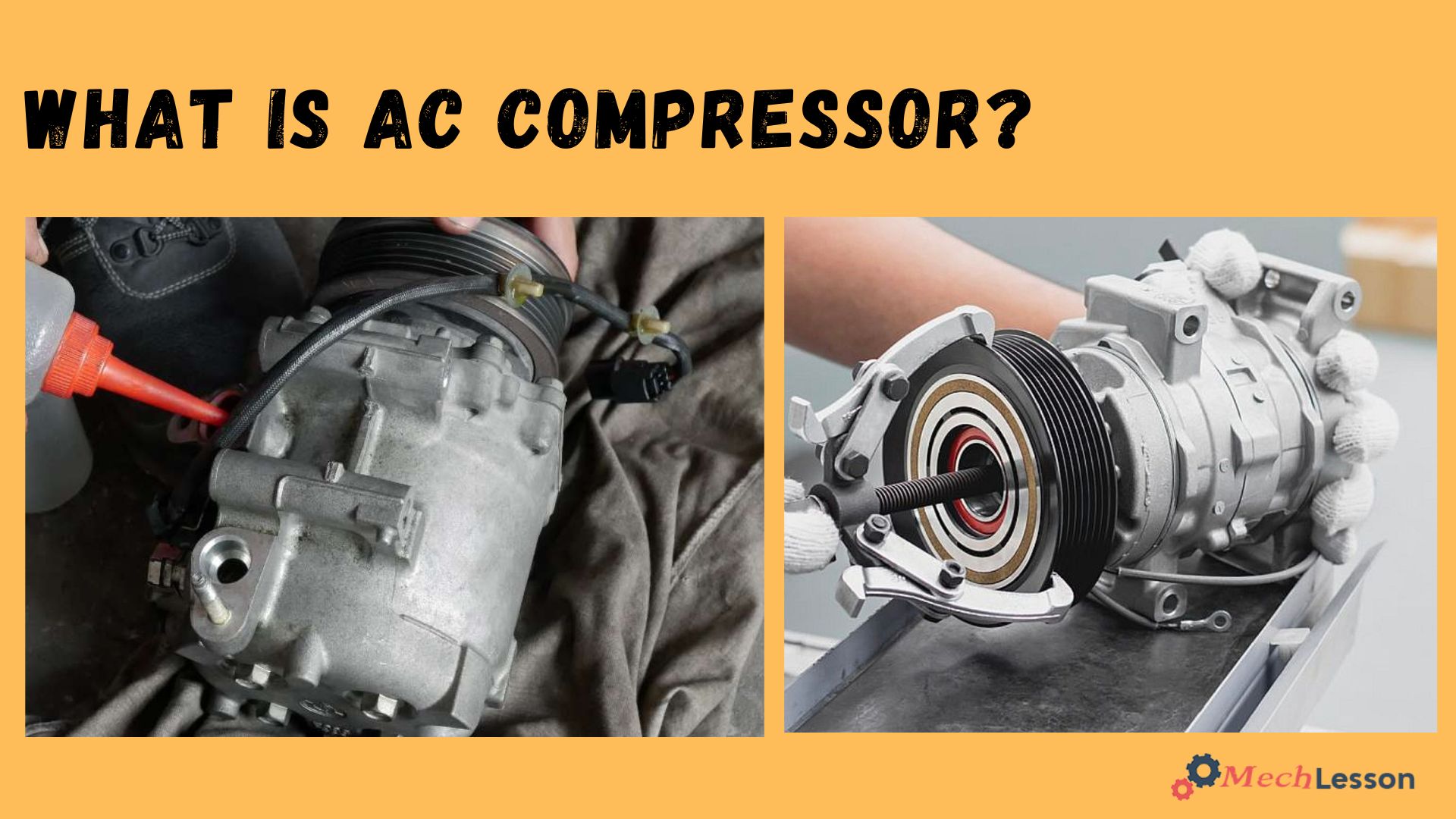
If you’ve ever enjoyed cool air on a hot summer drive or fixed a flat tire on the roadside, you’ve already benefited from a car compressor—whether you realized it or not. A compressor is one of those behind-the-scenes heroes in a vehicle, quietly doing its job while you focus on driving.
In simple terms, a compressor for a car is a device that increases pressure by compressing air or gas. Depending on the type, it can cool your cabin, inflate your tires, or even boost engine power. Think of it like a pump with superpowers—small in size, big in impact.
Table of Contents
ToggleUnderstanding the Basic Concept of a Compressor
What Does a Compressor Do?
At its core, a compressor takes in air or gas at low pressure and squeezes it into a smaller space, increasing its pressure. This high-pressure air or gas is then used for a specific purpose inside the car.
Compression Explained in Everyday Terms
Imagine squeezing a sponge full of water. As you press it, the water is forced out with more pressure. A compressor works in a similar way—except instead of water, it compresses air or refrigerant gas.
Types of Compressors Used in Cars
Not all car compressors are the same. Different systems use different types of compressors, each designed for a specific job.
Air Conditioning (AC) Compressor
This is the most common type. It powers your car’s air conditioning system and keeps the cabin cool.
Air Compressor for Tires
A tire air compressor inflates tires by pumping air into them. These can be portable or built into some vehicles.
Supercharger Compressor
This type of compressor forces extra air into the engine, increasing horsepower and performance.
Turbocharger Compressor
Similar to a supercharger, but powered by exhaust gases instead of a belt connected to the engine.
What Is an AC Compressor in a Car?
The AC compressor is often called the heart of the air conditioning system. Without it, your AC is just a fan blowing warm air.
Role of the AC Compressor
Its main job is to compress refrigerant gas and circulate it through the AC system. This process allows heat to be removed from inside the car and released outside.
How It Keeps Your Car Cool
By pressurizing the refrigerant, the compressor enables it to absorb heat from the cabin. The result? Cool, refreshing air flowing through your vents.
How a Car AC Compressor Works
Step-by-Step Working Process
-
The compressor pulls in low-pressure refrigerant gas.
-
It compresses the gas, increasing its pressure and temperature.
-
The high-pressure gas moves through the AC system.
-
Heat is released outside, and cool air is produced inside.
Key Components Involved
-
Compressor clutch
-
Refrigerant
-
Condenser
-
Expansion valve
-
Evaporator
All these parts work together like a well-rehearsed band.
What Is a Tire Air Compressor for a Car?
A tire air compressor is a lifesaver when your tire pressure drops unexpectedly.
Portable vs Built-In Air Compressors
Portable compressors plug into your car’s power outlet, while built-in ones come pre-installed in some vehicles, especially SUVs and off-road models.
When and Why You Need One
Low tire pressure affects fuel efficiency, handling, and safety. Having a compressor handy means you’re never stranded with a soft tire.
How Supercharger and Turbo Compressors Work
Increasing Engine Power
Both superchargers and turbochargers use compressors to push more air into the engine. More air means more fuel can be burned—and that equals more power.
Differences Between Superchargers and Turbos
-
Superchargers respond instantly but use engine power.
-
Turbochargers are more efficient but may have slight lag.
Signs of a Bad Car Compressor
Common Symptoms to Watch Out For
-
Warm air from AC vents
-
Loud or unusual noises
-
Reduced engine performance
-
AC system not engaging
Noises, Leaks, and Performance Issues
Grinding sounds or refrigerant leaks are clear red flags that your compressor needs attention.
Causes of Compressor Failure
Lack of Maintenance
Skipping regular servicing can lead to internal wear and tear.
Electrical and Mechanical Problems
Faulty wiring, damaged clutches, or contaminated refrigerant can all cause failure.
How to Maintain a Car Compressor
Regular Checks and Servicing
Routine inspections help catch issues early before they become expensive repairs.
Tips to Extend Compressor Life
-
Run the AC regularly
-
Keep refrigerant at proper levels
-
Fix leaks promptly
Cost of Replacing a Car Compressor
Average Replacement Costs
Replacing a car AC compressor can cost anywhere from $400 to $1,200, depending on the vehicle.
Factors That Affect the Price
-
Car make and model
-
Labor costs
-
Type of compressor
Can You Drive with a Faulty Compressor?
Short-Term vs Long-Term Effects
You can drive, but comfort suffers. Long-term neglect may damage other AC components.
Safety and Comfort Considerations
While not usually dangerous, driving without AC can be uncomfortable and distracting.
Choosing the Right Compressor for Your Car
Things to Consider Before Buying
-
Compatibility with your vehicle
-
Brand reputation
-
Warranty coverage
Compatibility and Quality Tips
Always match the compressor to your car’s specifications to avoid future issues.
Common Myths About Car Compressors
Debunking Popular Misconceptions
-
“Compressors never fail” – False
-
“AC doesn’t affect fuel economy” – Also false
Future of Compressors in Modern Cars
Electric and Hybrid Vehicle Innovations
Electric compressors are becoming common in EVs and hybrids, offering better efficiency and quieter operation.
Conclusion
So, what is a compressor for a car? It’s a powerful, multi-purpose device that plays a crucial role in comfort, safety, and performance. From keeping you cool to boosting engine power and inflating tires, compressors are the unsung heroes of modern vehicles. Understanding how they work helps you maintain your car better—and avoid costly surprises down the road.
Frequently Asked Questions (FAQs)
1. What does a compressor do in a car?
It compresses air or gas to power systems like air conditioning, tire inflation, or engine performance enhancement.
2. Is a car compressor important?
Yes, especially for AC comfort, proper tire pressure, and engine efficiency.
3. How long does a car AC compressor last?
Typically 8–10 years with proper maintenance.
4. Can I replace a car compressor myself?
It’s possible but not recommended unless you have professional tools and experience.
5. Does a bad compressor affect fuel efficiency?
Yes, a failing compressor can increase engine load and reduce fuel econom

Sam Finley
You Can grow your website seo .And ranking website feel free contact : Ethinemily@gmail.com
Leave a Reply
You must be logged in to post a comment.