



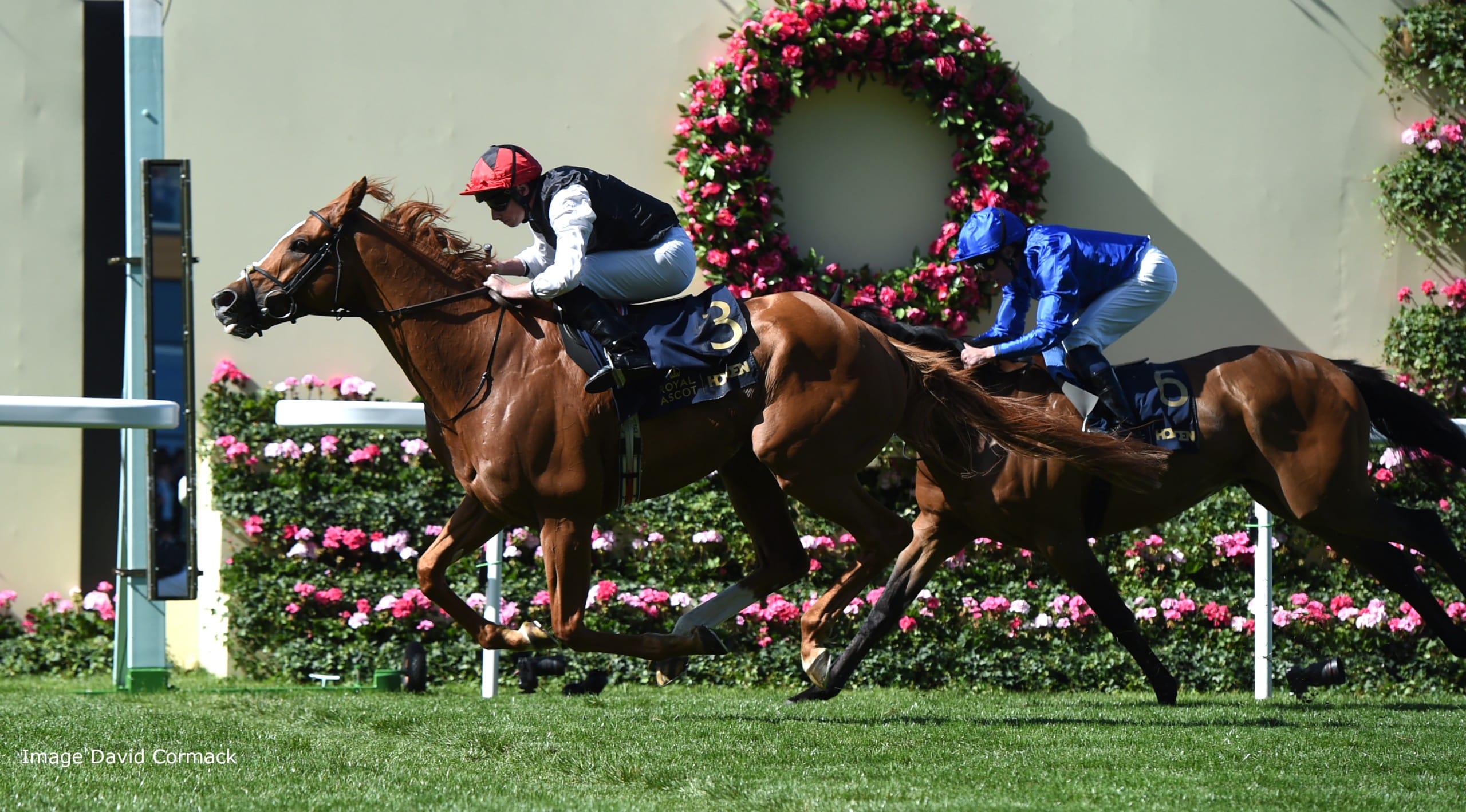
Racehorse syndicate ownership is rapidly reshaping who gets to call themselves a racehorse owner — taking it from the realm of wealthy elites into the reach of everyday enthusiasts. Instead of a single individual shouldering the massive cost of buying and maintaining a racehorse, a syndicate allows multiple people to share ownership, costs, risks, and the thrills that come with owning a competitive horse. In practical terms, a syndicate is a group — sometimes as few as a handful, or as many as dozens of people — each buying a percentage “share” of a horse and collectively enjoying the journey together.
This structure isn’t just a feel‑good idea; it’s a growing movement in global racing. Large syndicate operations in the UK and Ireland account for a meaningful share of horses in training, and initiatives like RaceShare have captured headlines by offering affordable entry points backed by top trainers.
Racehorse syndicates deliver an experience that blends investment, community, and passion, and this guide explores exactly what that means — from costs to culture.
Table of Contents
Toggle🧠 How a Syndicate Works
At its core, a racehorse syndicate lets people co‑own a horse by purchasing fractional shares. A syndicate manager (or “syndicator”) typically buys the horse, registers it, oversees its care, and handles all administrative responsibilities — while owners enjoy the benefits without the day‑to‑day hassle.
Each member’s financial responsibility matches their ownership percentage. For example, owning 5% of a horse means you contribute 5% of ongoing costs and receive 5% of prize money or resale proceeds if the horse is sold.
The syndicate model is more than just financial sharing — it’s about access and involvement. Owners usually get regular updates, stable visits, and exclusive invitations to race day activities. This shared journey is often described as equally rewarding as sole ownership, but without the full financial risk.
💸 Costs: What You Pay and Why
Upfront Share Purchase
Your initial cost is the price of the percentage share you buy in the horse. In 2026, the cost for a 5% share in a competitive thoroughbred syndicate typically ranges from approximately $8,500 to $15,000.
This share price usually includes part of the horse’s purchase cost and sometimes a syndicator markup — a fee paid for management services. Expert analysts recommend scrutinising this markup, as high percentages can slow the chance of breaking even.
Monthly or Ongoing Fees
Owning a horse isn’t a one‑off payment. Syndicates charge ongoing fees to cover:
- Training and care;
- Veterinary services;
- Farrier (shoeing) work;
- Transport to races;
- Insurance and entry fees.
In 2026, expected monthly maintenance costs for a 5% share fall in the range of roughly $225 to $600 per month.
Unlike sole ownership — where vets or unexpected costs can arrive like a shock bill — syndicate fees are often fixed or predictable, helping members budget more comfortably.
Hidden Expenses and Markups
While syndicate structures make ownership affordable, there are costs beneath the surface:
- Syndicate markups — these can range from modest to significant, depending on how the manager structures ownership.
- Miscellaneous fees — such as remote travel, specialised medicine, or performance therapy — may not always be included in monthly fees.
- Prize money handling — winnings are usually shared after deductions for jockey and trainer percentages, meaning owners receive less than the headline purse.
With all expenses considered, it’s important to treat syndicate ownership as entertainment or passion spending rather than a guaranteed investment — most owners do not break even purely on financial returns.
🏇 Benefits of Being Part of a Syndicate
1. Shared Financial Risk
Racehorse ownership used to demand deep pockets — now costs are distributed. Syndicates remove the barrier to entry for many racing fans, letting them enjoy real ownership experiences at affordable entry levels.
2. Community and Experience
Owning a horse is inherently social in a syndicate — you’re part of a team cheering on your horse. Stable visits, group messaging, owner events, and shared excitement on race day create bonds that go beyond finance.
3. Access to Elite Racing Circuits
Syndicate members can gain access to races and tracks that might otherwise be out of reach. Owner badges, hospitality access, and trainer interactions elevate the experience.
4. Learning the Sport
For newcomers, syndicates provide a guided entry into the world of training, bloodstock, race planning, and industry culture — often with expert management handling the complex details.
🧠 Drawbacks and Realities
Financial Return Isn’t Guaranteed
Unlike traditional investments, racehorse ownership rarely pays back more than it costs. Many owners never recoup their original outlay when considering all costs and low purse earnings relative to maintenance.
Emotional Ups and Downs
Some owners report that the emotional attachment from a syndicate varies widely — some feel very connected, while others see it as an exciting hobby rather than a business. Online forums reflect this range of experiences.
Dependence on Management Quality
The quality of your experience often hinges on the syndicator. Good communication, transparency, and ethics from management can make ownership rewarding — but poor handling may leave owners feeling disconnected or overcharged.
🧾 Case Studies: UK, US & International Syndicates
Across racing regions like the UK and Ireland, syndicates have expanded drastically. Some leading groups offer structured syndicates with regular updates and high‑quality management.
In the United States, ownership is still predominantly individual, but syndicate models are gaining traction — especially as fans seek more affordable ways to be involved in prominent events.
Initiatives such as RaceShare show how syndicates can be tailored to different budgets, even offering tiered ownership levels and digital engagement experiences.
🛠 Tips Before You Join a Syndicate
If you’re thinking of dipping your toes into syndicate ownership, here are important considerations:
- Read the syndicate agreement thoroughly — understand your rights, obligations, and exit terms.
- Ask about management fees and what services are included.
- Check prize money distribution policies — how are deductions handled?
- Visit the stable if possible — seeing the horse and trainer can build trust.
- Commit only money you are comfortable with losing — treat it as participation in the sport, not a guaranteed investment.
🏁 Conclusion
Racehorse syndicate ownership is an exciting, affordable way to become part of the storied world of horse racing. It brings together passionate fans, shared experience, social engagement, and the thrill of watching your horse compete — all while spreading the financial burden across a group. While financial returns aren’t guaranteed, many owners cherish the emotional and community benefits. For those drawn to the sport, a syndicate could be the perfect mix of engagement, affordability, and adventure on the track.
❓Frequently Asked Questions
1. What is the minimum share I can buy in a syndicate?
Many syndicates offer shares as small as 2.5% to 5%, allowing you to tailor your ownership level to your budget.
2. Do I get money if my horse wins?
Yes — race winnings are shared among members based on their share percentages, after deductions for trainer and jockey fees.
3. Can syndicate ownership be profitable?
While it’s possible, most owners do not see a full return on their investment; it’s generally considered more of a passion expenditure.
4. What happens if the horse is sold or retires?
Any sale proceeds or residual value are typically shared among owners based on their ownership percentages.
5. Is syndicate ownership legal worldwide?
Yes — but rules and registration requirements vary by jurisdiction, often governed by national racing bodies.

Sam Finley
You Can grow your website seo .And ranking website feel free contact : Ethinemily@gmail.com
Leave a Reply
You must be logged in to post a comment.