



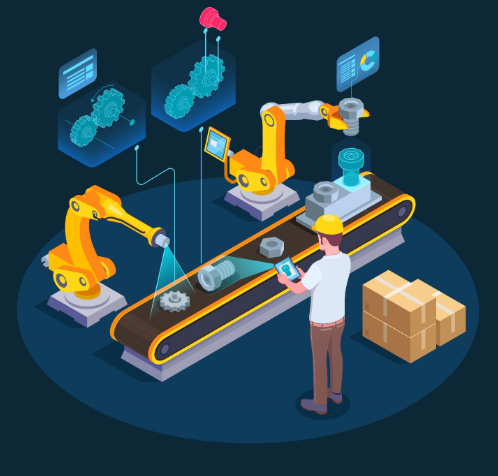
Industrial automation has evolved rapidly over the last decade, driven by advancements in digital technologies. Among these innovations, the Internet of Things (IoT) has emerged as a transformative force, enabling industries to connect machines, systems, and processes like never before. IoT in industrial automation is not just about connectivity; it is about creating intelligent ecosystems where machines communicate, analyze data, and make decisions with minimal human intervention.
What is IoT in Industrial Automation?
IoT in industrial automation refers to the integration of smart sensors, devices, and software into manufacturing and industrial processes. These connected devices collect real-time data from machinery, production lines, and supply chains, allowing businesses to monitor and optimize operations continuously.
With the help of Embedded Software Development services, industries can design customized firmware and control systems that enable machines to interact seamlessly. This integration ensures efficient communication between hardware components and centralized systems, forming the backbone of smart factories.
Enhancing Operational Efficiency
One of the biggest advantages of IoT in industrial automation is improved operational efficiency. IoT-enabled systems provide real-time insights into production processes, helping companies identify bottlenecks and inefficiencies quickly.
For example, sensors can monitor machine performance and detect anomalies before they lead to breakdowns. This predictive capability reduces downtime and ensures that production runs smoothly. As a result, manufacturers can increase output while minimizing costs.
Predictive Maintenance and Reduced Downtime
Traditional maintenance strategies often rely on scheduled checks or reactive repairs. However, IoT introduces predictive maintenance, which uses data analytics to anticipate equipment failures before they occur.
By continuously monitoring parameters such as temperature, vibration, and pressure, IoT systems can alert operators when a machine shows signs of wear or malfunction. This proactive approach not only extends the lifespan of equipment but also significantly reduces unplanned downtime, which can be costly for industries.
Improved Safety and Risk Management
Industrial environments can be hazardous, especially in sectors like manufacturing, oil and gas, and construction. IoT plays a crucial role in enhancing workplace safety by monitoring environmental conditions and worker activities.
Smart sensors can detect gas leaks, excessive heat, or unsafe working conditions and immediately notify supervisors. Wearable IoT devices can also track worker health and location, ensuring quick response in case of emergencies. This level of monitoring helps companies maintain compliance with safety regulations and protect their workforce.
Data-Driven Decision Making
IoT generates vast amounts of data, which can be analyzed to gain valuable insights into operations. This data-driven approach enables businesses to make informed decisions based on real-time information rather than assumptions.
Advanced analytics tools can identify patterns, forecast demand, and optimize resource allocation. For instance, manufacturers can adjust production schedules based on market demand, reducing waste and improving profitability. The ability to access accurate data at any time gives companies a competitive edge in today’s fast-paced industrial landscape.
Integration with Smart Technologies
IoT does not operate in isolation; it works alongside other technologies such as artificial intelligence (AI), machine learning (ML), and cloud computing. These integrations enhance the capabilities of industrial automation systems.
An IoT Development Company can help businesses implement scalable IoT solutions that integrate with cloud platforms and AI tools. This combination allows industries to automate complex processes, improve accuracy, and achieve higher levels of efficiency.
For example, AI-powered IoT systems can analyze production data to optimize workflows automatically. Cloud-based platforms enable remote monitoring and control, making it easier for businesses to manage operations across multiple locations.
Supply Chain Optimization
IoT has a significant impact on supply chain management by improving visibility and transparency. Connected devices can track raw materials, inventory, and finished products in real time.
This level of tracking helps businesses reduce delays, prevent losses, and ensure timely delivery of goods. IoT-enabled logistics systems can also optimize routes and reduce transportation costs, making supply chains more efficient and reliable.
Challenges in Implementing IoT
Despite its numerous benefits, implementing IoT in industrial automation comes with challenges. These include high initial investment, data security concerns, and integration complexities.
Cybersecurity is a major concern, as connected devices can be vulnerable to attacks if not properly secured. Additionally, integrating IoT systems with legacy equipment can be challenging and may require significant upgrades.
However, with proper planning and the right technology partners, these challenges can be addressed effectively.
Future of IoT in Industrial Automation
The future of IoT in industrial automation looks promising, with continuous advancements in technology. As 5G networks expand, IoT devices will benefit from faster and more reliable connectivity, enabling real-time communication on a larger scale.
Moreover, the adoption of digital twins—virtual replicas of physical systems—will further enhance industrial automation. These models allow businesses to simulate and optimize processes before implementing changes in the real world.
As industries continue to embrace digital transformation, IoT will play a central role in shaping the factories of the future.
Conclusion
IoT is revolutionizing industrial automation by enabling smarter, more efficient, and data-driven operations. From predictive maintenance to supply chain optimization, the benefits of IoT are vast and impactful.
While challenges exist, the long-term advantages far outweigh the initial hurdles. Businesses that invest in IoT today are better positioned to stay competitive in an increasingly digital world. As technology continues to evolve, IoT will remain a key driver of innovation in industrial automation.

Sam Finley
You Can grow your website seo .And ranking website feel free contact : Ethinemily@gmail.com
Leave a Reply
You must be logged in to post a comment.